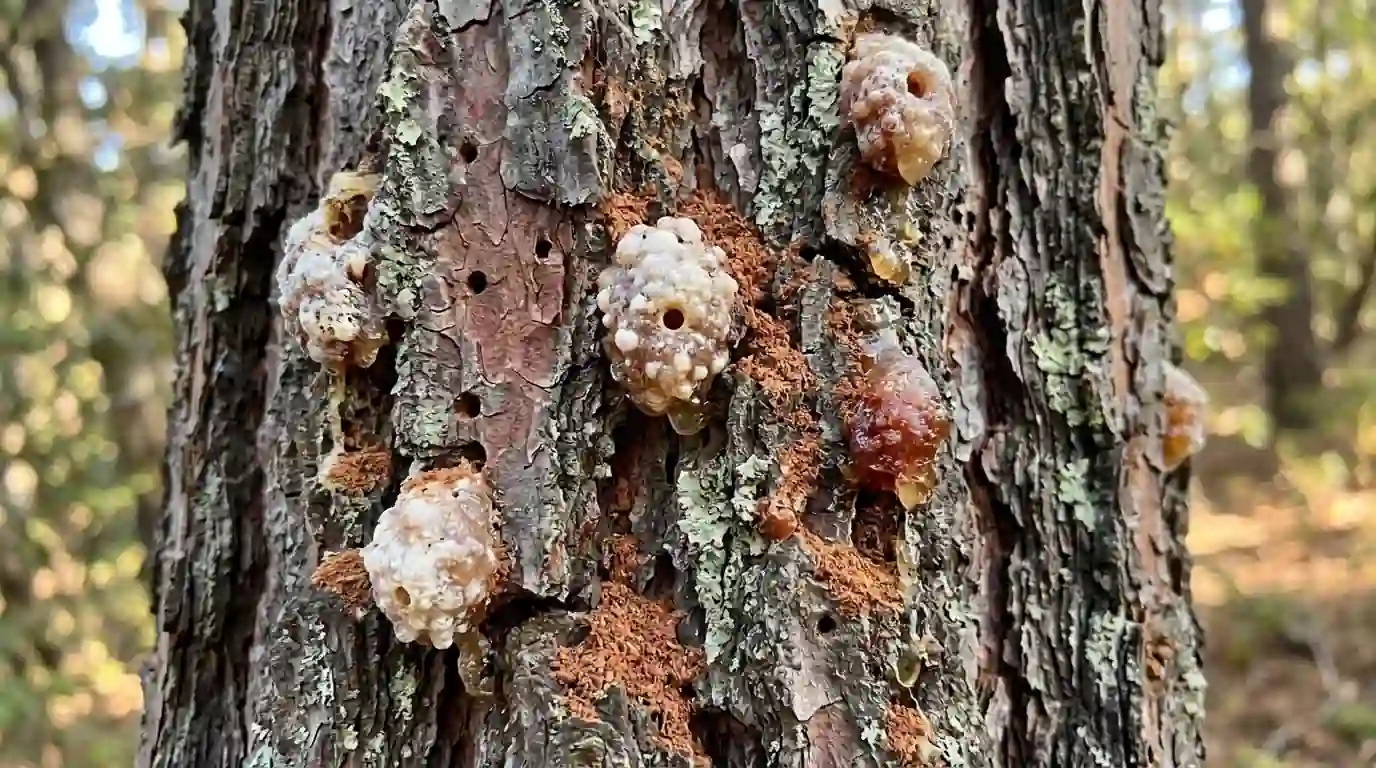
Deep root fertilization in Oakland, CA
Big trees around older Oakland homes often sit in packed clay, buried fill and paving. Deep root fertilization puts nutrients and some air where the feeder roots are, after a soil test shows what's actually missing.
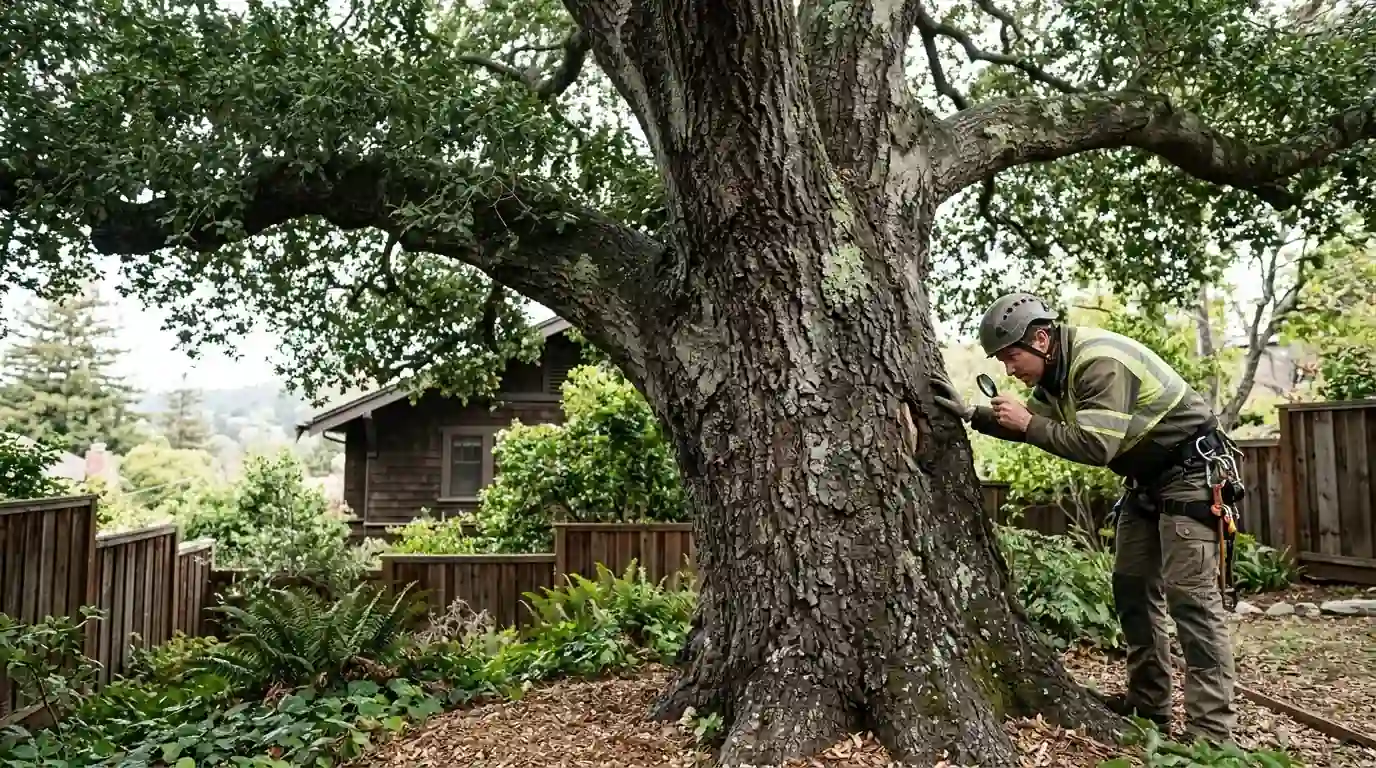
Quick answer
Deep root fertilization injects a liquid fertilizer mix into the soil under a tree's canopy, a few inches to about a foot down, where most feeder roots live. It helps trees in compacted or poor soil that show pale leaves, short new growth or slow recovery from stress. We test the soil first, feed only what it lacks, and time the work for the moist months.
What deep root fertilization involves in Oakland
A lot of Oakland was built on heavy clay, and many lots took on a layer of fill when the houses went up a century ago. Add decades of foot traffic, parked cars and patios poured over the roots, and the soil under a mature tree can be packed so tight that water runs off instead of soaking in. Roots in that soil struggle to breathe, let alone pull up nutrients.
Feeding from the surface does little in those conditions. Granules scattered on a lawn mostly feed the grass, and a hard crust keeps much of the rest from reaching the root zone. Injecting the mix under pressure opens small channels, carries nutrients down to the roots and lets a bit of air in at the same time. On a liquidambar in a Glenview front yard or a stressed elm beside a Crocker Highland driveway, that can mean the gap between thin and full growth.
We're careful not to oversell it. Fertilizer is not medicine, and it won't fix root rot, beetles, a cracked trunk or a tree that was badly topped. Too much nitrogen can even push soft growth that aphids love. That's why every job starts with a soil test and a look at the whole tree, and sometimes our advice is mulch, water and patience instead of a feeding.
Could your tree use a deep root feeding?
- Pale or yellowing leavesLeaves lighter than normal, or yellow between green veins, often point to a nutrient the tree can't get from the soil.
- Short new shootsTwig growth of only an inch or two a year on a tree that used to put on much more suggests the roots are starved.
- Small leaves and a see-through crownWhen leaves come out undersized and you can see sky through a canopy that used to be dense, the roots may be struggling.
- Hard ground that sheds waterIf water from a hose pools and runs off instead of soaking in, the soil around the roots is likely compacted.
- Paving or fill over the rootsDriveways, patios and new soil piled over the root zone cut off air and water, which weakens feeding.
- A slow comeback after stressA tree that never quite recovered from drought, heavy pruning or nearby digging may need help rebuilding its roots.
What happens during a deep root fertilization visit?
Pull soil samples
We take samples from several spots under the canopy and send them for testing. The results show pH, organic matter and which nutrients run low or already high.
Check the tree itself
We look over the canopy, trunk and root flare for problems fertilizer can't solve, like decay, girdling roots or pests. If something else drives the decline, we deal with that first.
Mix to the test results
The blend is built around what the soil lacks rather than a generic bag. Clay soils in the East Bay often hold plenty of potassium, so we don't add what's already there.
Inject across the root zone
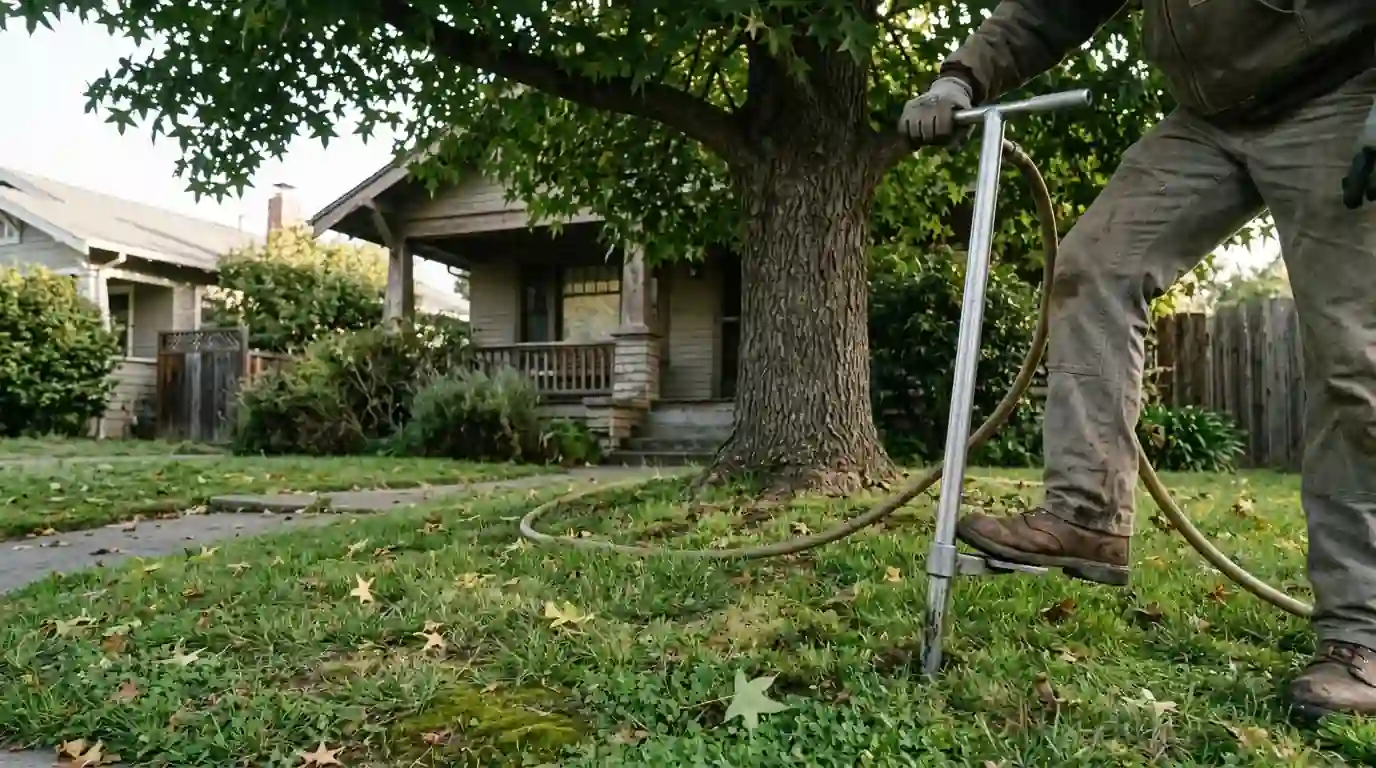
Using a soil probe, we inject the mix in a grid under the canopy and out past the dripline, where most feeder roots spread. Spacing gets tighter in the worst compacted patches.
Loosen the hardest ground
Where soil is packed hard, we may break it up with an air tool and spread wood chip mulch. Mulch slowly feeds the soil and keeps it from crusting again.
Plan the retest
We write down what we applied and when, then suggest a retest in a year or two. Most trees don't need feeding every season.
Oakland soils, the rainy season and the right time to feed
Timing matters more here than in places with summer rain. Most of Oakland's rain falls from November to March, and the dry season stretches roughly from May to October. We feed in fall after the first soaking rains or in early spring, while the ground is moist and roots are active. Fertilizing dry clay in August mostly stresses the roots and wastes the product, since there's no water to carry it.
Soil also shifts across the city. Flatland lots near Lake Merritt and in the older bungalow blocks tend toward heavy clay with plenty of fill, while hillside yards above Highway 13 often have thin soil over rock. Native oaks need little or no fertilizer, and rich feeding or summer water near a coast live oak can do real harm. For oaks we usually recommend mulch, root protection and careful pruning instead.
What affects the cost of deep root feeding?
Every job is priced after we see the tree. These are the things that move the number.
- Size of the root zoneA wide tree spreads roots well beyond the canopy, so more injection points and more mix are needed.
- Soil testingLab analysis is a separate step, though one test can often cover several trees in the same yard.
- Number of treesFeeding several trees on one visit is more efficient than treating them on separate days.
- What covers the groundLawn is easy to probe, while gravel, ground cover or tight planting beds take longer to work through.
- Extra soil workAir loosening compacted soil or spreading mulch adds labor on top of the feeding itself.
Work that often goes with deep root fertilization
Where we handle deep root fertilization
From the office on Martin Luther King Jr Way in Temescal and the Walnut Creek office on Bonanza Street, we cover Oakland and the East Bay. The biggest communities we serve, with a main ZIP code for each:
Deep root fertilization questions we hear in Oakland
Should I fertilize the coast live oak in my yard?
In most cases, no. Coast live oaks are adapted to lean native soils and dry summers, and feeding them can push weak growth and invite disease. We'd rather mulch the root zone, keep irrigation away from the trunk and protect the roots from digging. We only feed an oak when a soil test shows a real shortage.
Why test the soil before feeding a tree?
Because guessing often adds what the soil already has. Many East Bay clays carry plenty of potassium and phosphorus, and adding more does nothing for the tree. A test shows pH and actual nutrient levels, so the mix fixes the real gap and doesn't build up salts or feed weeds instead.
How often does a tree need deep root fertilization?
Most trees need it once, followed by a retest in a year or two to see whether levels recovered. Trees in poor fill or under heavy paving may need a feeding every couple of years. Feeding every year out of habit is rarely necessary and can do more harm than good.
Can fertilizer save a tree that is dying?
Rarely. A tree in steep decline from root rot, beetles or major root loss can't use extra nutrients, and the feeding may simply stress it further. Fertilizer helps trees that are basically sound but held back by poor soil. For a failing tree, a risk assessment is the more useful first step.
Will deep root feeding hurt my lawn or garden beds?
No. The injections leave small holes that close within days, and the lawn often greens up from the extra nutrients. We keep the probe clear of irrigation lines and flag sprinkler heads before starting. Beds with shallow bulbs or delicate plants get wider spacing or are skipped.
Saws, chippers, grinders and climbing gear from names like Stihl, Husqvarna and Vermeer
StihlHusqvarnaVermeerBanditMorbarkRaycoAltecPetzlSilkySherrillTeufelbergerNotchEchoToro
Need deep root fertilization in Oakland or the East Bay?
Call and tell us what the tree is doing. Someone picks up any hour, and we can usually talk you through the next step on that first call.