Tree Removal
Oversized shade trees from the postwar build-out have outgrown small lots, and many need to come out before they fail.
DetailsConcord stretches from flat older neighborhoods near downtown to newer homes climbing toward Mount Diablo. We remove, trim and clear trees across that whole range, through some of the hottest summers in the East Bay.
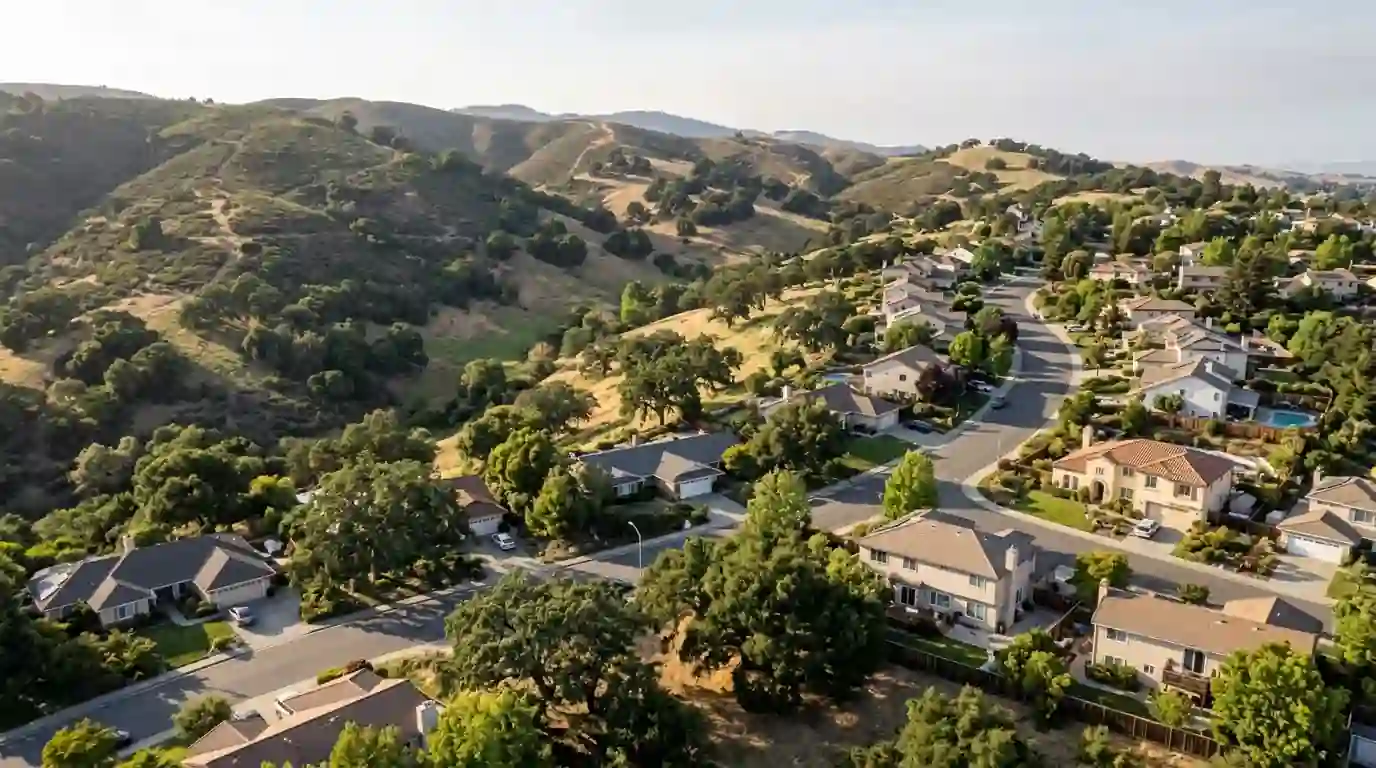
Concord work covers a lot of ground. In the older flat neighborhoods we prune and remove big ash, mulberry, pine and liquidambar trees. On the Mount Diablo side, near open space, homes need oak care and fire clearing on dry slopes. Heat, clay soil and drought stress drive much of what we see, and before any cut we confirm what the city's own tree rules require.
Concord is the largest city in Contra Costa County, and it doesn't have one tree story. The older core around Todos Santos Plaza and the neighborhoods off Clayton Road are flat grids of postwar homes. Their yards hold the usual planted trees of that era: fruitless mulberry, ash, liquidambar, Monterey pine and a few old fruit trees.
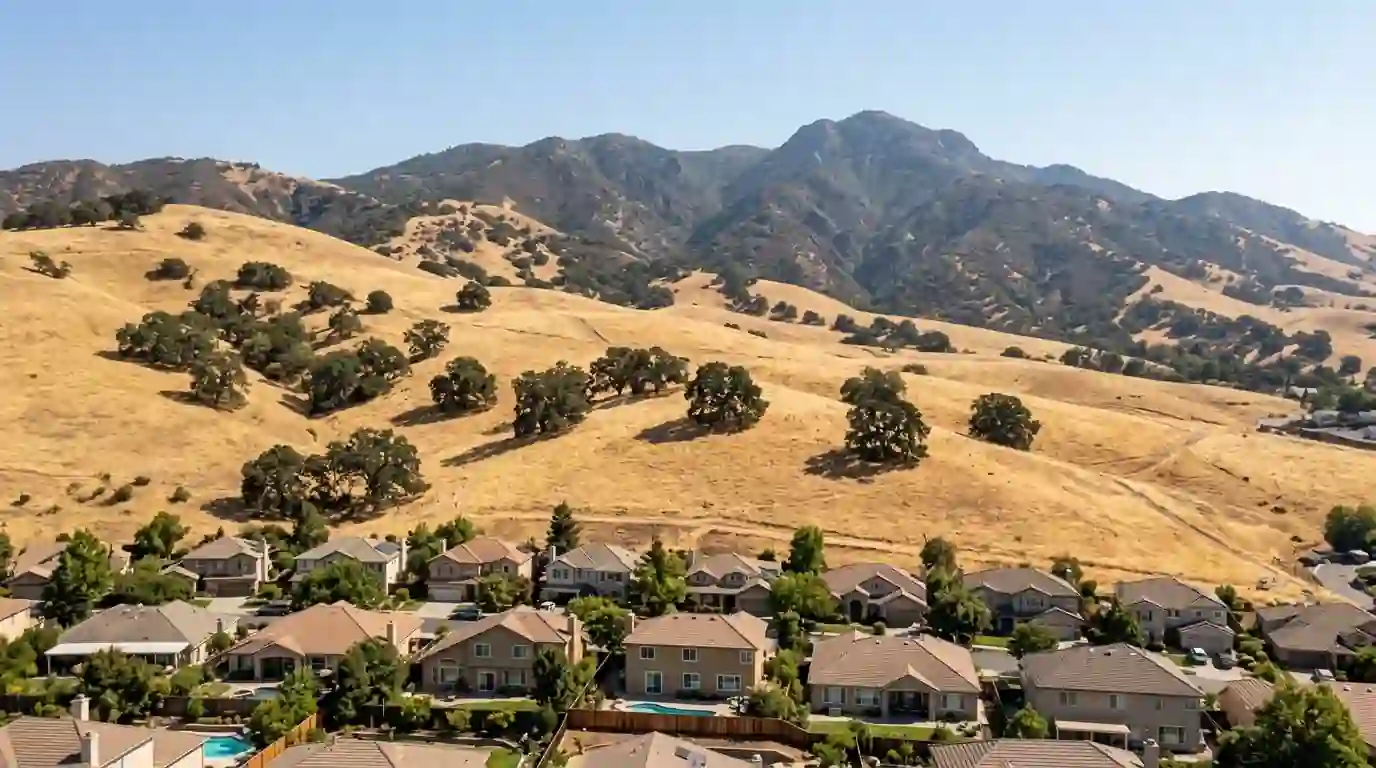
Head southeast toward Mount Diablo and the ground rises. Neighborhoods near Lime Ridge and the mountain's lower slopes back onto grassland dotted with coast live oak and valley oak. Lots there are larger and steeper, and the open hills behind them turn gold and dry by June. Wildfire exposure is real on that edge, and wind coming off the mountain makes it worse.
The whole city bakes in summer. Concord heat runs far beyond what the bayside flats feel, and clay soil cracks open by midsummer. Trees planted in the 1950s and 1960s are now at the age where heat stress, decay and weak forks add up. Pines are especially prone to beetle attack in dry years, and dead ones dry out fast enough to become a fire concern near homes.
Oversized shade trees from the postwar build-out have outgrown small lots, and many need to come out before they fail.
DetailsDrought and beetles kill pines and other stressed trees, and dead wood dries fast in Concord heat, so these are worth removing quickly.
DetailsMulberry, ash and liquidambar beside houses need regular trimming to clear roofs, service wires and the neighbor's yard.
DetailsHomes on the Mount Diablo side back onto dry grassland, so raising oak limbs and clearing brush before summer is a yearly job.
DetailsWith so many removals in older yards, stumps get ground so owners can replant, lay turf or pour a patio.
DetailsConcord has its own tree rules, and we check them before cutting any tree of size, especially native oaks. We note the tree's species, size and location and let you know whether the city needs to approve the work. If paperwork is needed, our permit help gathers measurements and photos so you aren't guessing at what to submit.
For trees along property lines, California law treats a tree whose trunk crosses the line as jointly owned. Removing or damaging a neighbor's tree without their permission can lead to double or triple damages. You can generally trim branches hanging over your side back to the line, as long as the cuts don't harm the tree. We settle those questions before the work begins.
Flat Concord lots usually give us room to work. We park the chipper on the driveway or street, bring gear through the side gate and fell small trees or lower larger ones by rope. Backyards with pools, sheds and close neighbors take more rigging. Summer jobs start early, partly to beat the heat and partly because afternoon temperatures raise fire risk around saws and grinders.
On the hillside edge near Mount Diablo, it's a different job. Streets climb, driveways are steep and backyards end at open grassland. We carry wood up to the street in pieces and keep brush moving to the chipper. Fire clearing there pairs well with removing dead trees that would otherwise feed a grass fire. For flatter neighbors to the west, see Pleasant Hill.
ZIP codes for Concord: 94518, 94519, 94520, 94521.
Heat and drought weaken Monterey pines, and stressed pines draw bark beetles. The beetles bore under the bark and can kill a tree within a season or two. Look for browning needles, pitch tubes and fine boring dust at the base of the trunk. Once a pine is mostly brown, removal is usually the only choice, and sooner is safer.
Enough to keep a grass fire from reaching the house or climbing into the trees. That usually means short grass near the home, oak limbs raised well off the ground, dead plants and brush removed and branches kept back from the roof. Your fire district may set specific requirements, and we can match the work to them.
Yes. We lower each piece by rope so nothing drops near the water or decking, cover the pool edge and nearby paving with plywood and keep debris out of the water. In tight yards we cut the tree into smaller sections. Planning the rigging around the pool is part of our visit before the job.
Sudden leaf drop, scorched leaf edges, thinning at the top of the crown and new cracks in the trunk are the warning signs. Some early leaf drop in a hot August is normal for stressed trees and not always serious. Large dead limbs, mushrooms at the base or a fresh lean are more urgent and worth a look soon.
Call any hour. Tell us the street, the tree and what changed, and we will plan the visit around your access.