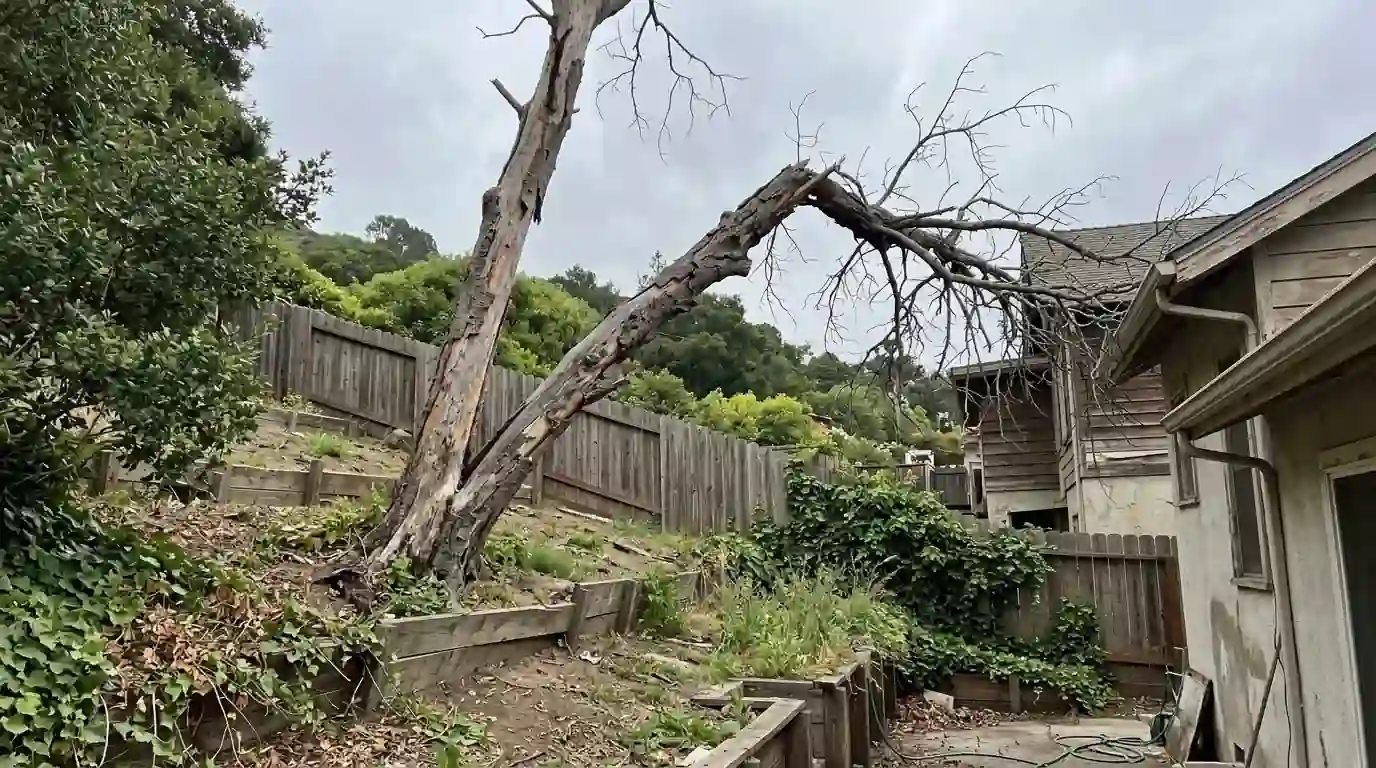
Tree risk assessment in Oakland, CA
A big tree over an Oakland roof, driveway or play area raises one question: is it going to hold? We look at the tree from root plate to crown and tell you plainly what we see.
Quick answer
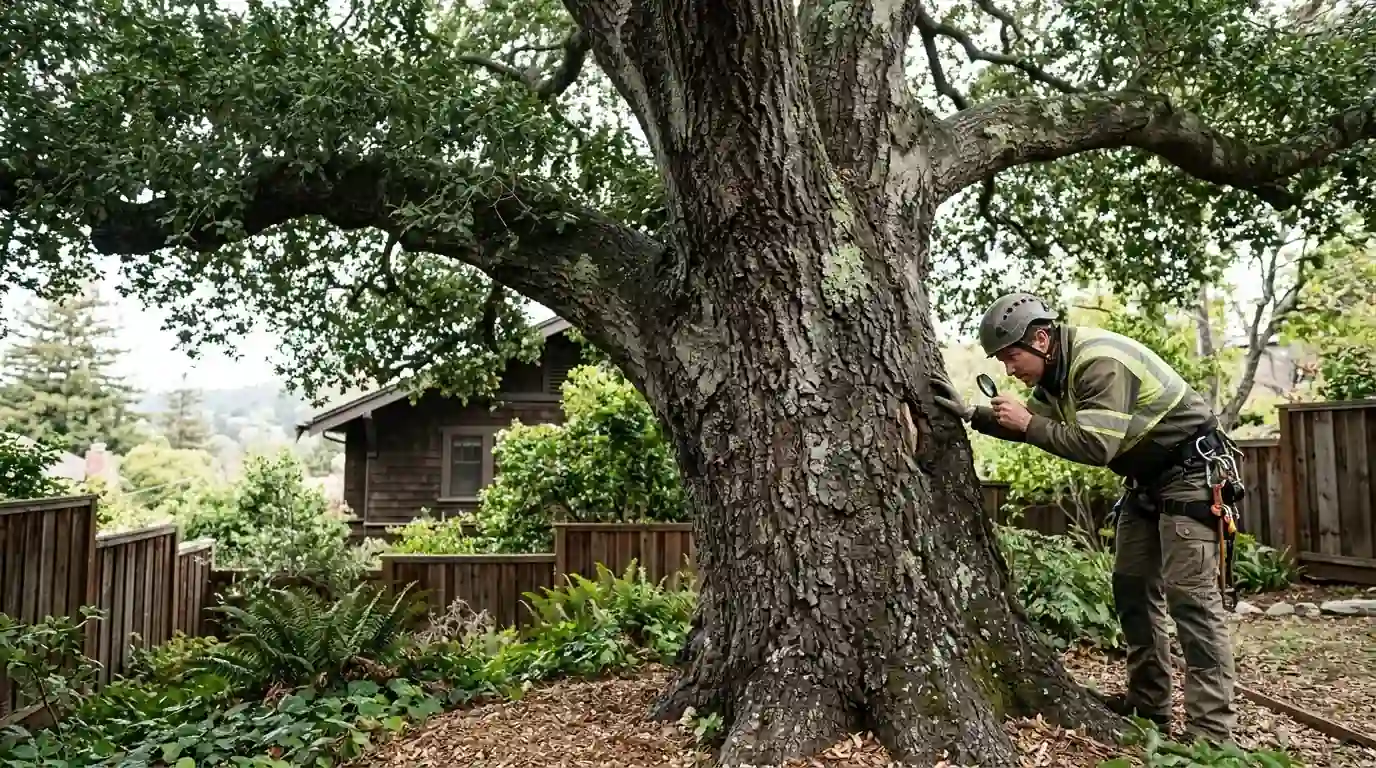
A tree risk assessment is a close inspection of a tree's structure and health, weighed against what it would hit if it failed. You need one when a large tree shows cracks, lean, decay or dieback near a house, street or busy yard. We check the root plate, trunk, unions and crown, then give you written notes with clear options.
What tree risk assessment involves in Oakland
Most trees stand for decades without trouble, and a tree that looks alarming is often sound. The opposite happens too. A full green canopy can sit on a trunk with heartwood rot, and a tree that's leaned for forty years can suddenly shift after a wet winter. A risk assessment sorts the real problems from the cosmetic ones so decisions rest on evidence instead of nerves.
Risk has two parts: how likely the tree or a part of it is to fail, and what's underneath. A dead limb over an empty slope is a different problem from the same limb over a bedroom or a sidewalk where kids walk to school. We call what's underneath the target, and we weigh it as heavily as the defect itself.
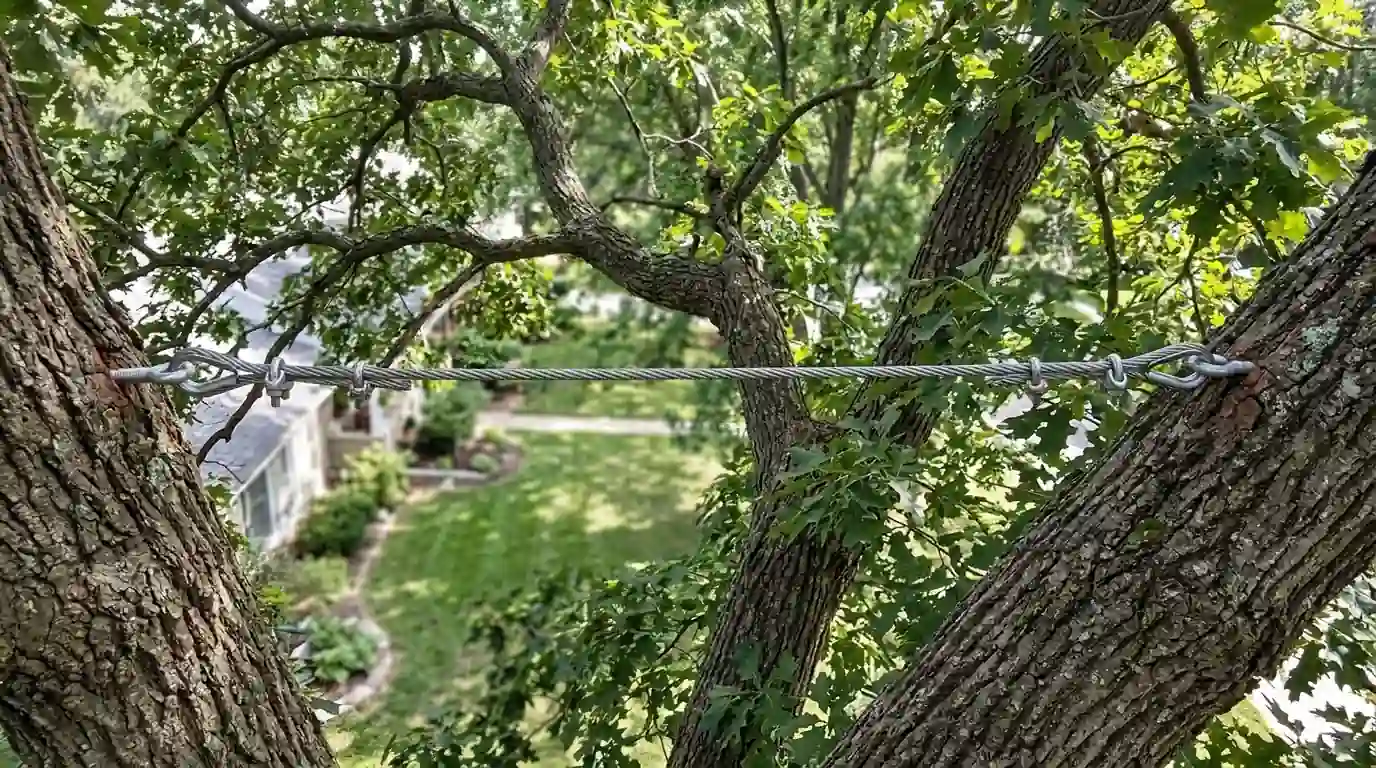
The outcome isn't always removal. Many assessments end with targeted pruning, cabling a weak union or simply watching a spot over the next few seasons. When removal is the right answer, the notes explain why, which also helps if a permit application or a conversation with a neighbor follows. We don't push work the tree doesn't need. If the honest verdict is that the oak over your deck is fine for now, that's what the notes say, along with what to watch for next winter.
When should someone look closely at a tree on your property?
- A new or changing leanA tree that has always leaned is less worrying than one that started leaning recently, especially with soil heaving on the side away from the lean.
- Cracks in the trunk or unionsVertical cracks, split forks and seams where two trunks meet can let a tree pull apart under load.
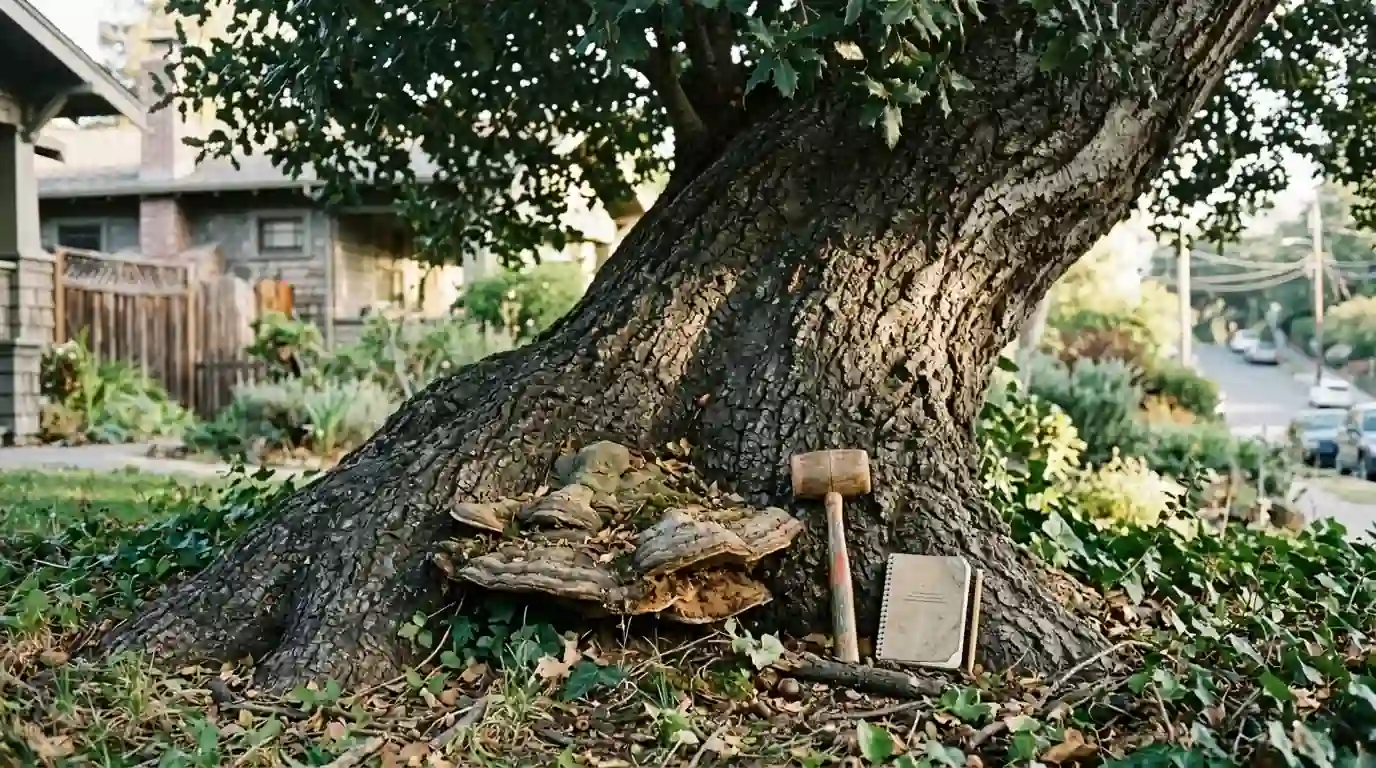
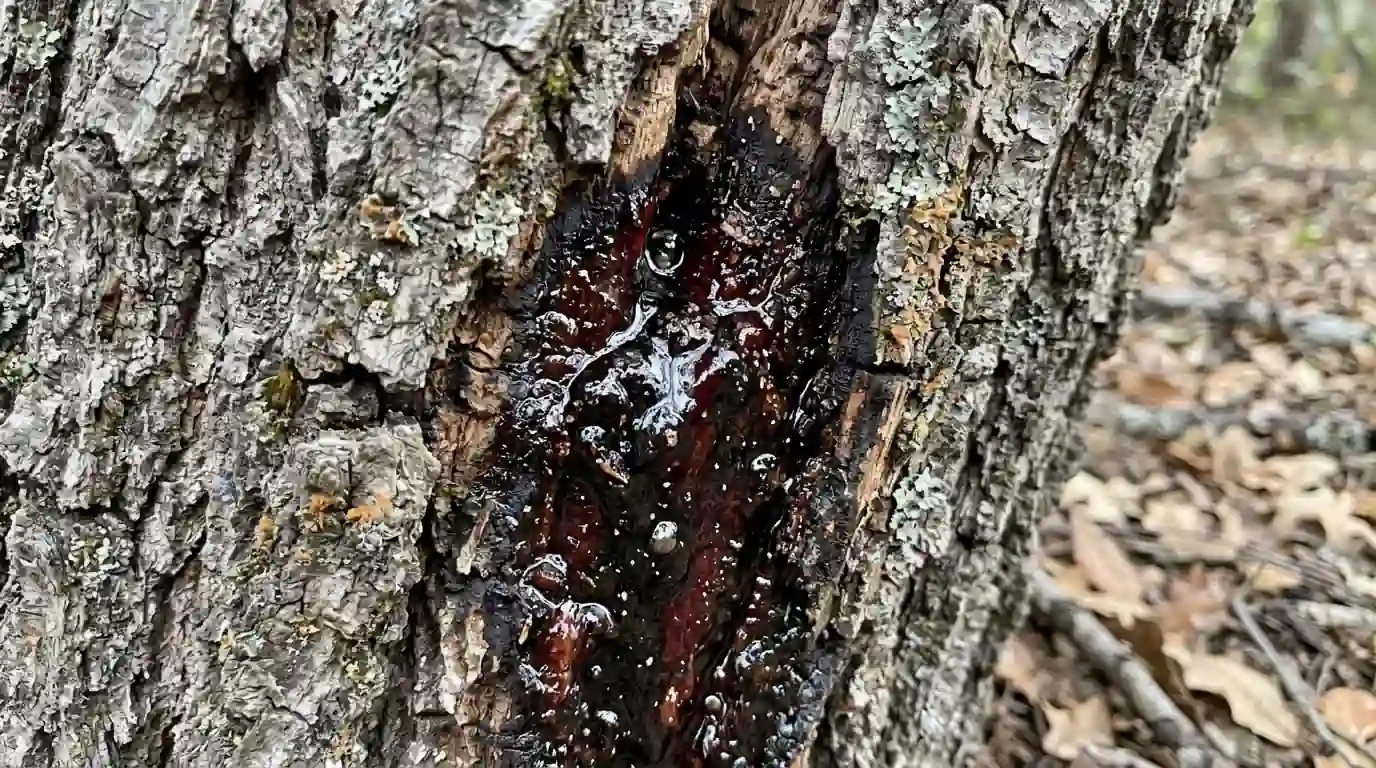
- Mushrooms or soft wood at the baseFungal fruiting bodies, punky wood and cavities near the root flare point to decay in the structural roots or lower trunk.
- Dead limbs over places people useHanging or dead branches above a roof, driveway, patio or sidewalk are the most common hazards we find.
- Recent work around the rootsTrenching, new paving or grade changes near a tree can cut roots that anchor it, with problems that show up years later.
- Thinning crown or early leaf dropDieback at the top of the crown can mean root trouble, disease or drought stress worth tracking down.
What affects the depth of an assessment
Every job is priced after we see the tree. These are the things that move the number.
- Number of treesOne tree takes a short visit. A property with a dozen large trees needs a longer walk and longer notes.
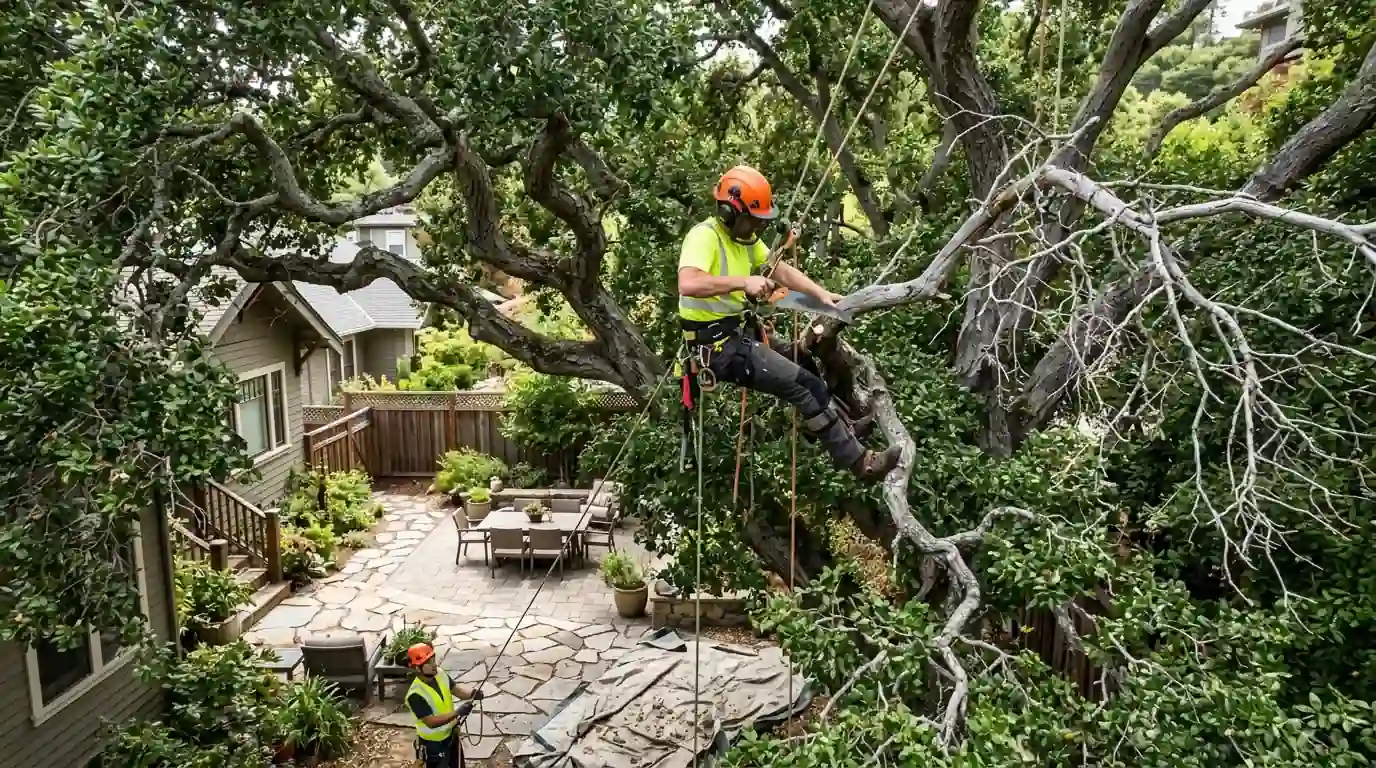
- Need for a climbDefects hidden high in the crown sometimes mean a climber goes up for a close look.
- Ground-level visibilityIvy, brush or decking hiding the base has to be cleared or worked around before we can see the root flare.
- Tree size and speciesBig eucalyptus, oaks and pines have more structure to inspect than a small ornamental tree.
- Purpose of the notesNotes for a permit application or a neighbor discussion need more detail and photos than a quick check.
What we look at during an assessment
Look at the site first
Before we touch the tree, we note what it would hit: the house, a neighbor's roof, a street, power lines or a play area. We also check soil, slope, drainage and any recent digging nearby.
Read the root plate and flare
We look for heaving or cracked soil, girdling roots, cut roots and decay at the root flare. A mallet and probe help us find hollow or soft spots where the trunk meets the ground.
Check the trunk and unions
We sound the trunk, look for cracks, cavities, cankers and bark that has come loose. Forks with included bark, where two stems press together, get special attention.
Scan the crown
From the ground, and from a climb when needed, we look for dead limbs, hangers, heavy end weight, poor past cuts and dieback.
Write the notes
You get written notes covering the defects we found, the targets, how serious we judge each issue and the options. Photos of key defects go with them.
Common failures we see around Oakland
Our wet season brings the most tree failures. The atmospheric-river storms of late December 2022 into January 2023 dropped trees across the East Bay on saturated soil, many of them with root problems nobody had spotted. Blue gum eucalyptus in the hills sheds large limbs, sometimes on calm summer days. Coast live oaks with heavy horizontal limbs over roofs in Glenview and Crocker Highland can fail at weak unions or decayed old cuts.
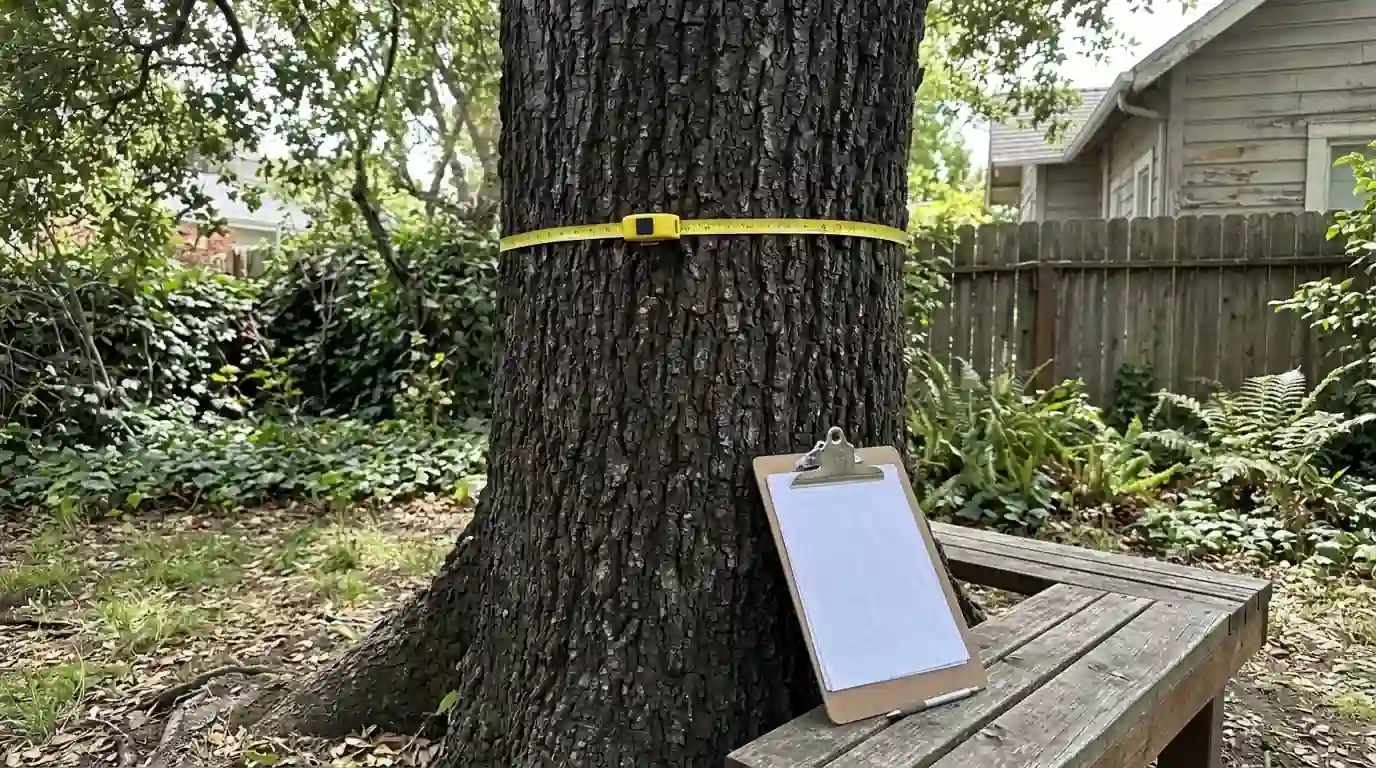
On protected trees, an assessment also matters for the permit side. Oakland protects coast live oaks from 4 inches in diameter and most other trees from 9 inches, measured 4.5 feet above ground. Written notes describing defects and targets give the city something concrete when a protected tree needs to come down. If the danger is immediate, Oakland can waive the permit, but the removal must be reported on the first business day after, and our notes help document why it couldn't wait for hazardous tree removal.
Work that often goes with tree risk assessment
Where we handle tree risk assessment
From the office on Martin Luther King Jr Way in Temescal and the Walnut Creek office on Bonanza Street, we cover Oakland and the East Bay. The biggest communities we serve, with a main ZIP code for each:
Tree risk assessment questions we hear in Oakland
What do I get after a tree risk assessment?
You get written notes for each tree we looked at: the defects found, what the tree would hit if it failed, how serious we judge each issue and the options. Photos of key defects are included. Options usually range from monitoring to pruning, cabling or removal.
Can you tell if a tree is hollow without cutting into it?
Often, yes. Tapping with a mallet changes pitch over hollow or decayed wood, and a probe finds soft spots near the base. Fungal growth, cavities and swelling also point to internal decay. When it's still unclear, we say so and suggest how to find out.
Is a leaning tree always dangerous?
No. Many trees lean from youth and grow reaction wood that holds them steady. The warning signs are a lean that's new or getting worse, cracked or heaved soil on the side away from the lean, and exposed roots. Those mean the root plate may be moving.
Should I get my trees checked before the rainy season?
Late summer and fall are good times, before winter storms load the canopy and soak the soil. Dead limbs are easier to spot then, and any pruning or cabling can be done before the November to March rains. After a big storm, a second look at stressed trees is wise.
Saws, chippers, grinders and climbing gear from names like Stihl, Husqvarna and Vermeer
StihlHusqvarnaVermeerBanditMorbarkRaycoAltecPetzlSilkySherrillTeufelbergerNotchEchoToro
Need tree risk assessment in Oakland or the East Bay?
Call and tell us what the tree is doing. Someone picks up any hour, and we can usually talk you through the next step on that first call.