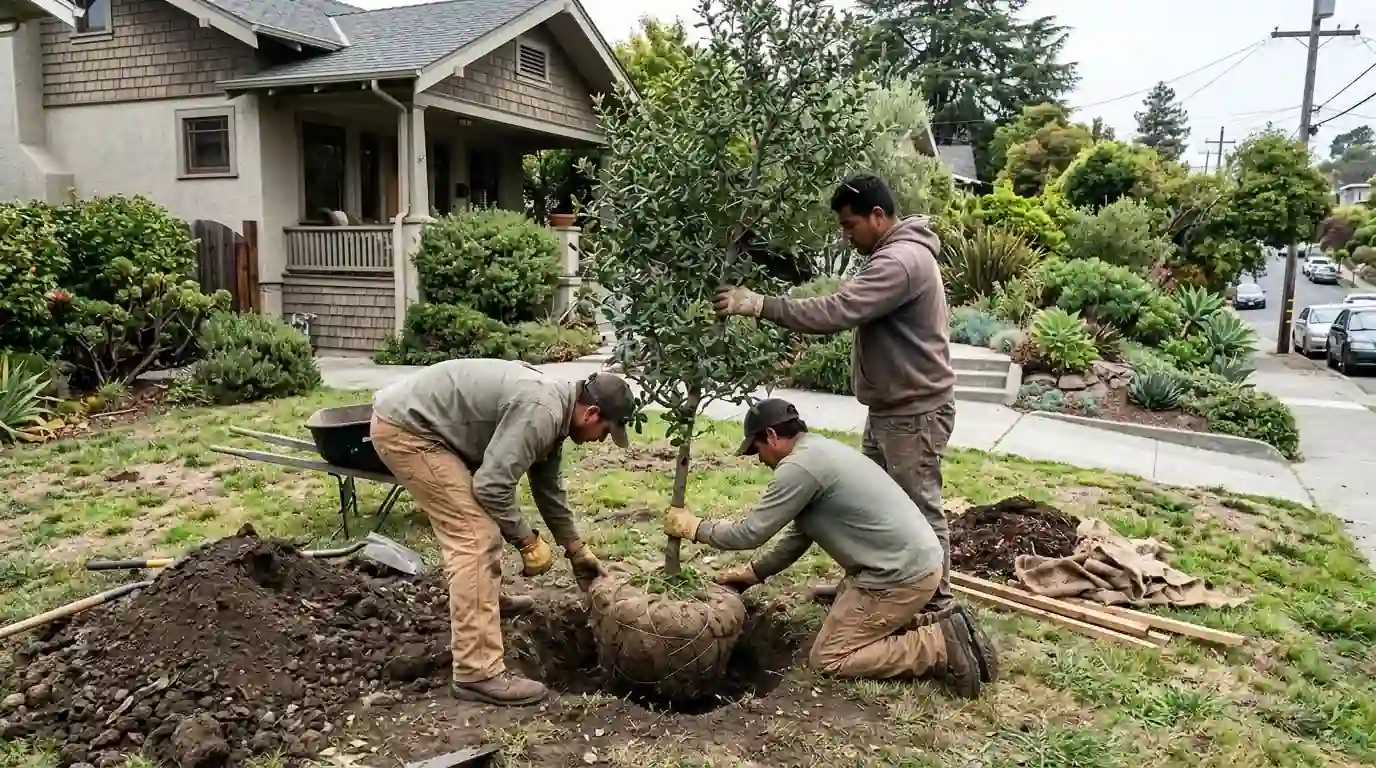
Young tree pruning in Oakland, CA
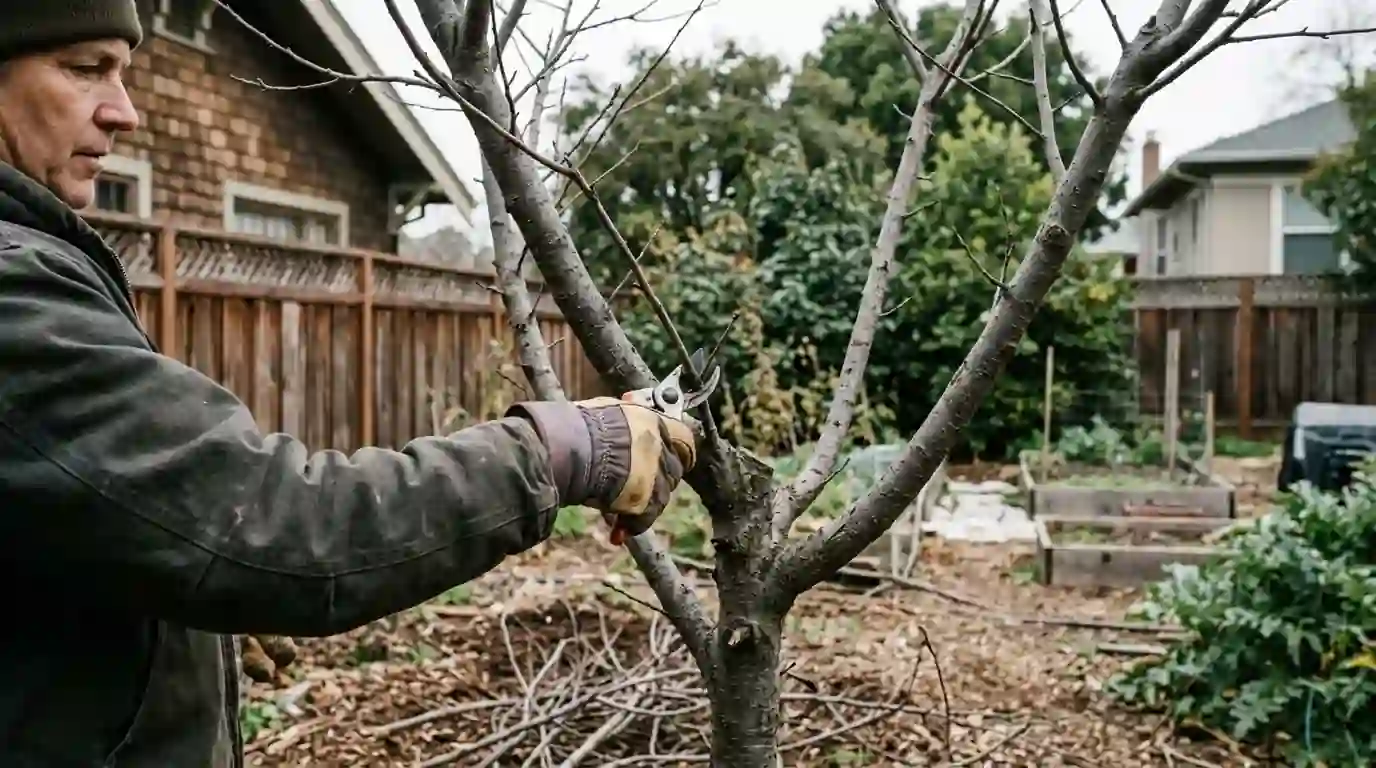
The easiest time to fix a tree's structure is while it's young. We prune new street and yard trees in Oakland so they grow one strong trunk and well-spaced limbs instead of weak forks.
Quick answer
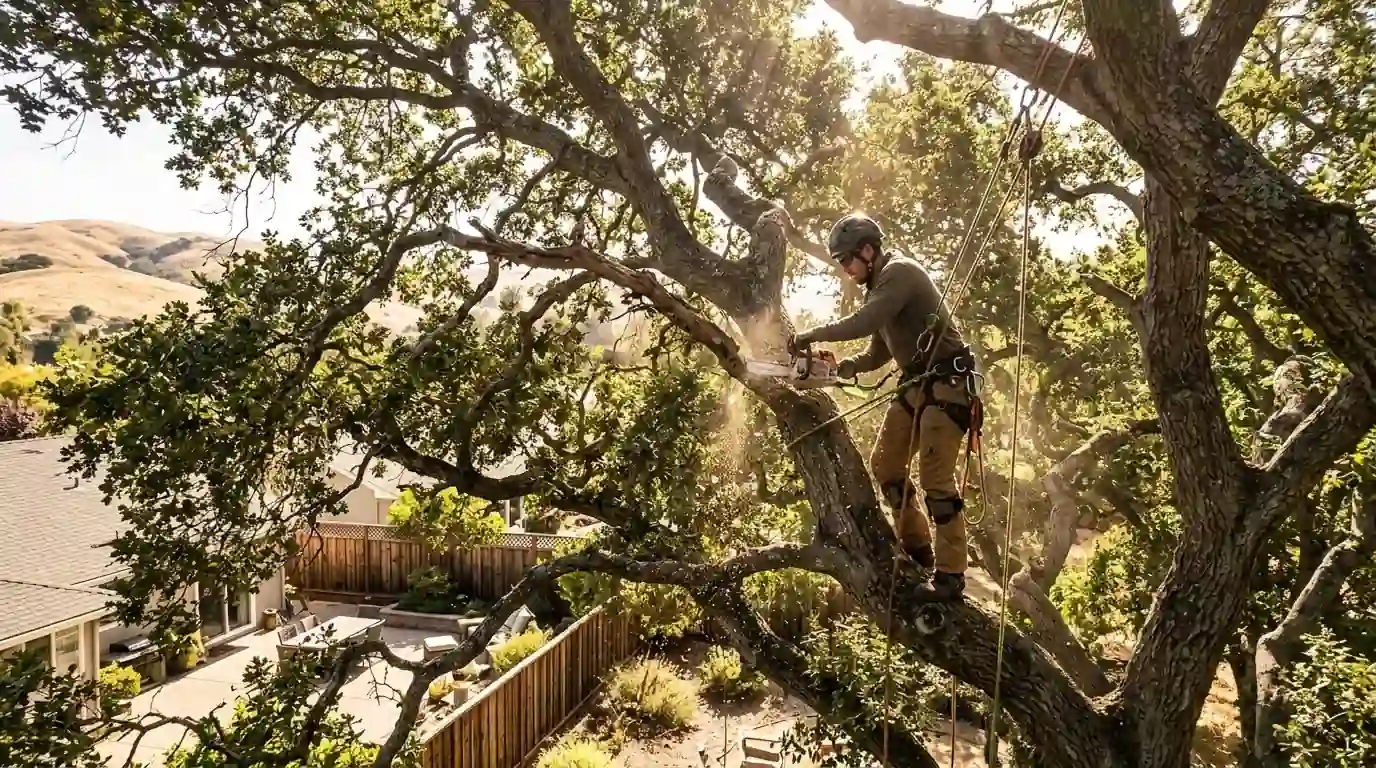
Young tree pruning, also called structural pruning, shapes trees in their first years after planting so they grow one central leader, evenly spaced main branches and strong attachments. It suits street trees, new yard plantings and trees up to roughly ten to fifteen years old. We make small cuts with hand tools, remove competing leaders and plan the future lowest branch height.
What young tree pruning involves in Oakland
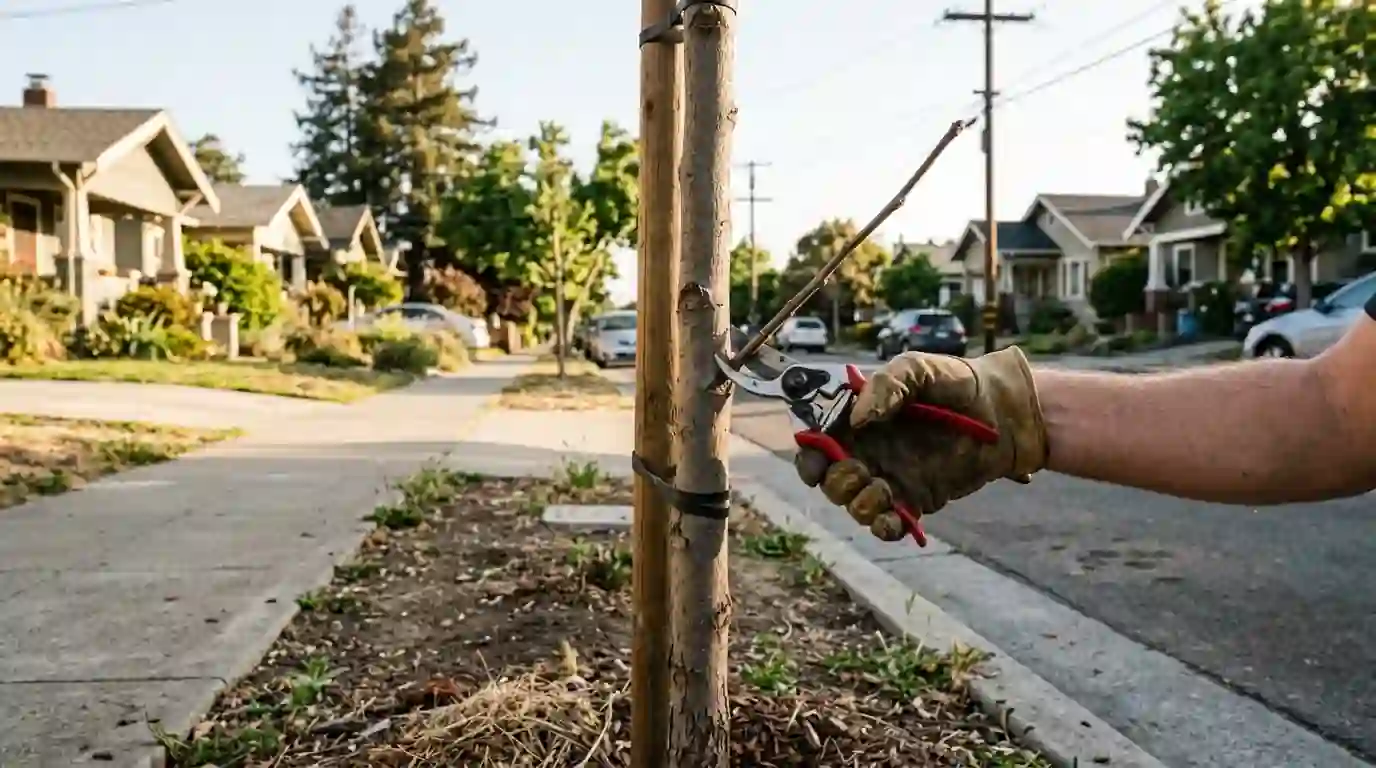
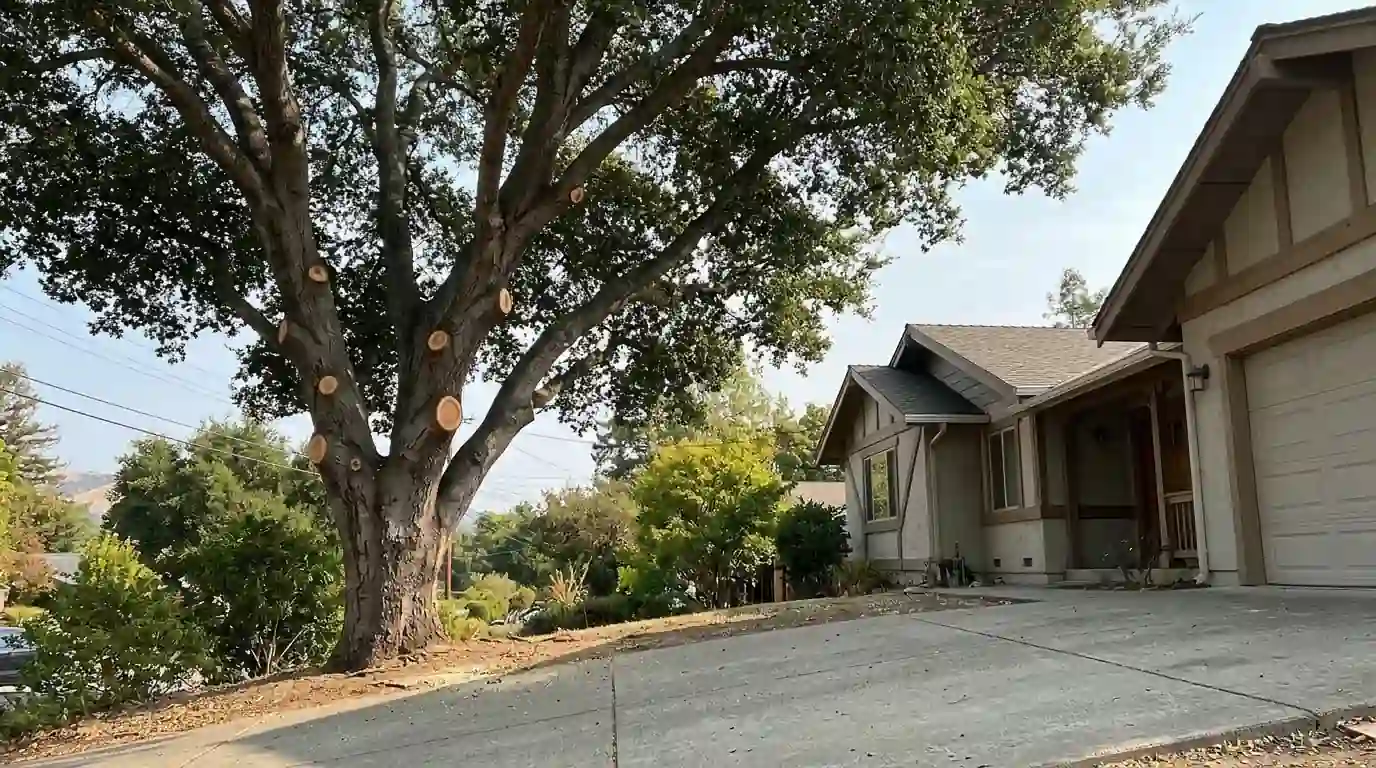
Most of the big structural problems we see in mature trees started years earlier as small ones. Two leaders of equal size that grew side by side become a weak V-shaped fork that splits in a storm. A low branch nobody removed turns into a heavy limb that has to come off with a saw and leaves a large wound. A few pruning cuts on a young tree, each the size of a thumb, can head off all of that. Small wounds close fast, so the tree barely notices the work.
Structural pruning is quick work but it takes judgment. The goal on most shade and street trees is a single dominant trunk, called the central leader, with main branches spaced up and around it rather than clumped at one height. We pick that leader, shorten or remove competitors, and thin branches that crowd each other. We also look ahead to where the permanent lowest limbs should sit over a sidewalk, driveway or roof.
We prune many recently planted trees for owners who took on a street tree in the planting strip, or who planted a coast live oak, sycamore or redbud in the yard. If you're just getting started, our tree planting visit can set up the first structure on day one. Later, as the tree grows, this work transitions into regular routine trimming.
Does your young tree need structural pruning?
- Two or more leaders the same sizeCompeting tops of equal thickness form a weak fork that tends to split as the tree gets heavy.
- Branches clustered at one heightSeveral limbs coming out of the trunk at the same spot crowd each other and weaken the trunk there.
- A lean or lopsided crownUneven growth toward light or away from a wall can be balanced early with small cuts.
- Low branches over a sidewalk or streetStreet trees need limbs raised over time to clear people and vehicles.
- Bark pinched between two stemsBark trapped inside a narrow fork, called included bark, is a sign of a weak attachment forming.
- Broken or rubbing branchesDamage from staking, wind or careless mowing should be cleaned up before it becomes a wound that won't close.
What does structural pruning on a young tree involve?
Pick the central leader
We choose the straightest, strongest top and make it the leader. Competing tops are shortened or removed.
Space the main branches
We choose scaffold branches spaced around and up the trunk, and remove or shorten ones that crowd them.
Set temporary branches
Lower branches that will come off eventually are often shortened instead of removed, since they help the trunk thicken.
Raise the canopy in stages
Over several visits we lift the lowest limbs toward the final height a street or driveway needs.
Check stakes and ties
We loosen or remove stakes and ties that are rubbing bark or girdling the trunk, which is common with new street trees.
Plan the next visit
Young trees grow fast, so we suggest a follow-up interval, usually every two or three years while they establish.
How Oakland handles young street trees
Oakland's city crews prune street trees only when they're hazardous or in an emergency, so most young trees in planting strips get little structural work unless the owner steps in. The city offers a hold-harmless form that lets an owner take on pruning of the city tree out front. We can walk you through what the form covers and then make the structural cuts once it's filed. Starting early matters here, because a street tree shaped well in its first decade rarely needs the big corrective cuts that crews make later over traffic and parked cars.
Many new trees planted in Oakland are species named in the city's replacement list, such as coast live oak, coast redwood, madrone, California buckeye and California bay laurel. Oaks become protected at just 4 inches DBH, so getting their structure right while they're small means far less cutting, and fewer rules to work around, later. Berkeley's Urban Forestry Unit maintains Berkeley street trees, so there the work focuses on yard trees.
What affects the cost of young tree pruning?
Every job is priced after we see the tree. These are the things that move the number.
- Number of young treesSeveral new plantings in one yard or along one block share setup time.
- Size and age of each treeA tree a few years from planting needs only hand pruners, while an older one may need a pole saw or ladder.
- How long it's gone without pruningTrees left to grow for years may need corrective cuts across more than one visit.
- Stake and tie workRemoving old stakes or fixing ties that cut into bark adds a bit of time.
- Street tree paperworkPruning a city street tree yourself or through us requires the city's hold-harmless form first.
- Combining with other workAdding young tree pruning to a larger trim visit spreads the travel and setup.
Work that often goes with young tree pruning
Where we handle young tree pruning
From the office on Martin Luther King Jr Way in Temescal and the Walnut Creek office on Bonanza Street, we cover Oakland and the East Bay. The biggest communities we serve, with a main ZIP code for each:
Young tree pruning questions we hear in Oakland
At what age should a new tree first be pruned?
Usually two to three years after planting, once the roots have settled in. In the first season, we only remove broken or dead wood. After that, structural pruning every two to three years until the tree is about ten to fifteen years old sets up a stable shape for decades.
Why does a single central leader matter so much?
Two equal tops grow into a narrow fork with weak wood joining them. As the tree gets heavier, that fork is prone to split in wind or under a wet canopy. A single dominant leader with smaller side branches makes a far stronger tree, especially for large species like oaks and sycamores.
Should I remove all the low branches on a young tree?
Not all at once. Lower branches help the trunk thicken and taper. We shorten them first and remove them gradually over several visits, until the canopy clears the sidewalk, street or driveway at the height you need.
Can I prune the young street tree in front of my house?
In Oakland, the city prunes street trees only when they're hazardous. Owners who want a city street tree pruned on their own schedule can file the city's hold-harmless pruning form first, and then we do the work. In Berkeley, the city's Urban Forestry Unit handles all city street trees.
Saws, chippers, grinders and climbing gear from names like Stihl, Husqvarna and Vermeer
StihlHusqvarnaVermeerBanditMorbarkRaycoAltecPetzlSilkySherrillTeufelbergerNotchEchoToro
Need young tree pruning in Oakland or the East Bay?
Call and tell us what the tree is doing. Someone picks up any hour, and we can usually talk you through the next step on that first call.